all the latest news about emotional container gardening

My SPACE-GROTTO should be here any day now.
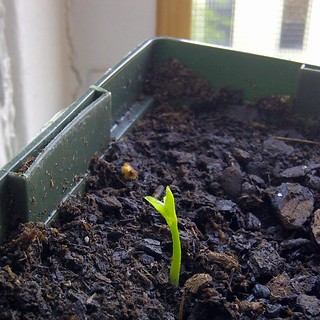
My Sorrento lemon seedlings are full of surprises. They keep coming, like clowns out of a clown car. It's been several weeks now since the first ones germinated, but every time I look at their little pot there's another just starting to make its presence known. At this point I have more seedlings than I had seeds! I started with twelve seeds, and as of yesterday morning I have sixteen seedlings. Look:
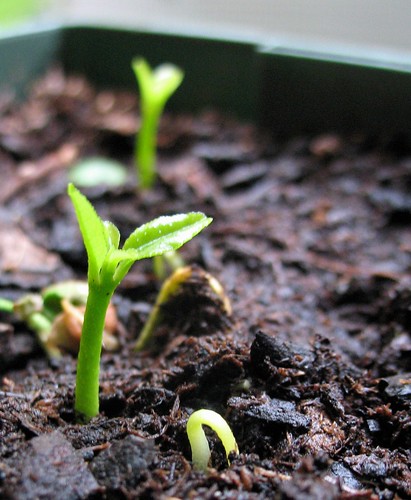
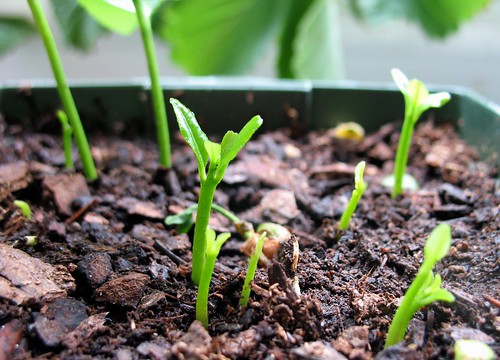
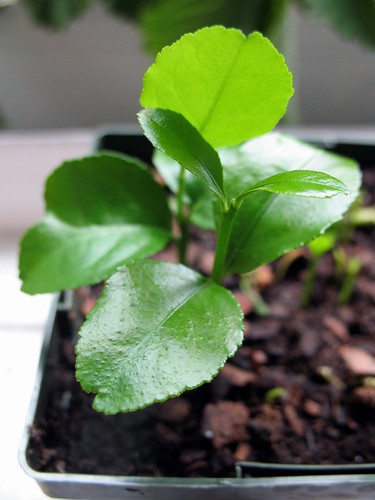
There's no Catholic funny business going on, I can explain, sort of: They are apomictic. One of my sources of information on how to germinate the seeds tipped me off that this might happen:
There's no Catholic funny business going on, I can explain, sort of: They are apomictic. One of my sources of information on how to germinate the seeds tipped me off that this might happen:
A interesting thing about citrus seeds is that you may get several seedlings from each seed. One of these will be from the embryo formed due to pollination in the orchard, but the others will be 'apomictic' seedlings which are vegetatively produced. That means that the apomictic seedlings will be exact genetic reproductions of the tree on which the fruit was formed, they are clonal seedlings. The one seedling produced by pollination will not be clonal as it will carry genetic material from the pollen parent (father) as well as the seed parent (mother). In any case, you should have a lemon tree, and it will very likely produce tasty lemons in about 15 years!- New Mexico State University College of Agricultural, Consumer and Environmental Sciences q&a
Whoever the father is, he has really outdone himself. The oldest and tallest of my vigorous Mediterranean brood are very mature for their age too; they already have lemon-scented leaves (i.e., they're wearing plant-aftershave). I have no idea what I'll do if all of them survive infancy — raising just one lemon tree by myself in Harlem would be a challenge, and here I am with a whole fucking grove — but fortunately they seem to grow pretty slowly. This other blogger's two year-old lemon tree looks manageable, which means I have plenty of time to get things sorted out before harvest time. The same q&a I linked to above says that grafting a seedling on to a mature lemon tree can reduce fruiting time from fifteen years to five or so, but realistically I'll probably need more than five years to get myself settled somewhere more suitable for growing exquisite Italian lemon clones. In the meantime I'm thinking about spritzing their soil with chamomile tea, which I understand they like. After having learned a little something about their incredibly strange sex lives nothing surprises me anymore.


Edith Wharton's Italian Villas and Their Gardens at AbeBooks.
The lion is something I picked out at 1st Dibs. Let me know if you see a matching one
someplace because garden lions should be in pairs. I don't need it right away.
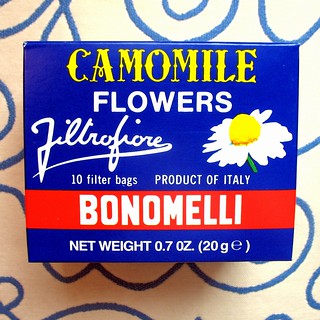
Have you thought about giving your seedlings chamomile tea? It prevents something called
damping off because it's got anti-fungal properties. I don't believe the tea needs to be
the same nationality as the seedlings; this is just my tea.
damping off because it's got anti-fungal properties. I don't believe the tea needs to be
the same nationality as the seedlings; this is just my tea.
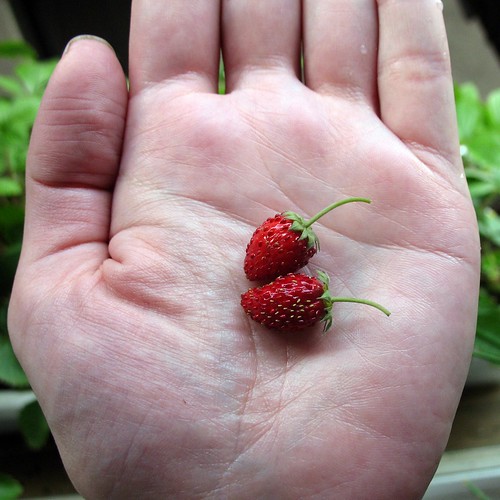
My window box full of berries is moderately less productive than my magical everbearing lemon plant pot, but there's nothing disappointing about it. In fact I'm going to hold back in describing the way they taste, for fear of sounding like an annoying Alpine strawberry-munching asshole. I can't really hide it though: They're sensationally, toes-curled-up good. The best among them have been as good as my finest hypothetical mental strawberries. There haven't been many of them yet, and they've been a bit mushy because of all the rain and humidity, but they've been tremendously exciting. I'm guessing that the mushiness is due to the weather because the farmers' market berries I've bought to supplement my small harvests have been mushy too. And, unlike my berries, insipid. I would go so far as to describe my strawberries as the most exciting breakfast to be had in all of Harlem but one never knows what neighbors are up to.
I've been getting a lot of berries that ripen while still very, very small, but just now I'm starting to get larger ones. I've read about other people's home-grown strawberries magically starting to do this in June too.
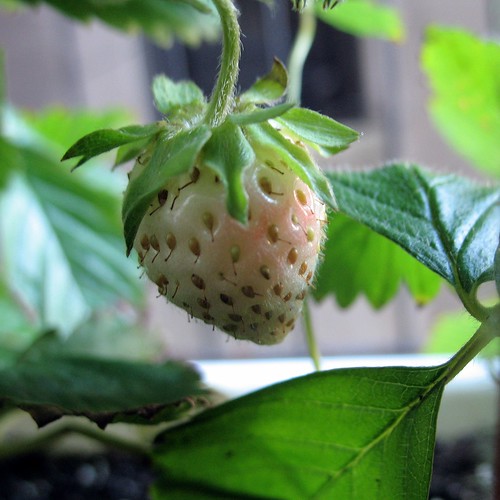

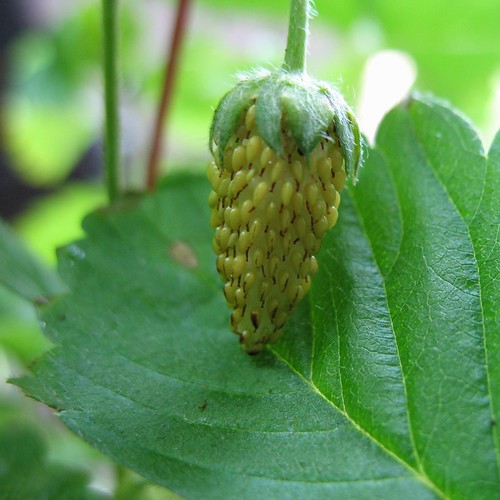
My Yellow Wonder strawberries have been the slowest producers so far but
the arrival of June seems to have had an effect.
Shuggie Otis, "Strawberry Letter 23"
There's a fruit vendor on a corner of 57th St. who often tries to get me to buy some fruit on my way home by calling out, "hello lovely miss lovely fruit!" It puts a smug little spring in my step to think that if he had any idea what sort of fruit I'm getting at home he'd blush at the inadequacy and futility of these overtures.
I've been so excited about harvesting a few berries every other morning that I haven't been observant about comparing the various varieties I'm growing. Now that they're producing more and larger berries I should be able to do a thoughtful taste test soon.
I've been getting a lot of berries that ripen while still very, very small, but just now I'm starting to get larger ones. I've read about other people's home-grown strawberries magically starting to do this in June too.
My Yellow Wonder strawberries have been the slowest producers so far but
the arrival of June seems to have had an effect.
Shuggie Otis, "Strawberry Letter 23"
There's a fruit vendor on a corner of 57th St. who often tries to get me to buy some fruit on my way home by calling out, "hello lovely miss lovely fruit!" It puts a smug little spring in my step to think that if he had any idea what sort of fruit I'm getting at home he'd blush at the inadequacy and futility of these overtures.
I've been so excited about harvesting a few berries every other morning that I haven't been observant about comparing the various varieties I'm growing. Now that they're producing more and larger berries I should be able to do a thoughtful taste test soon.
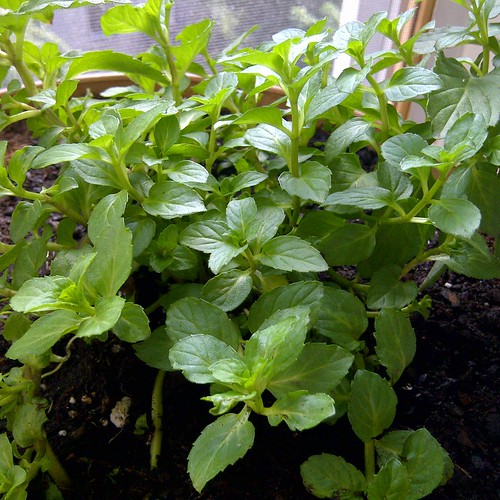
My borage and lovage are doing well too, though not anywhere near ready to harvest yet. I planted them in the same bucket-bag a couple weeks ago and had long since lost track of which side is what, but yesterday I spotted some borage cress adorning dumplings in the Times and realized that the bigger leaves must be the borage. I'd never heard of borage cress and wondered whether it wasn't simply immature borage — the Times photo only shows its leaves, which look identical to what's on my fire escape right now — but apparently it is indeed a separate thing. A specialty grower in the Netherlands says that full-grown borage leaves are "simply too hairy to use in dishes" and the cress "only has the good parts from this beautiful herb." I've mostly only got the good, hairless parts at present but as you can see I do have some hairy leaves. I went to the fire escape for a taste and they're very cucumber-y! And semi-surprisingly, kind of mushy. Hopefully at some point this summer it will stop raining every single day.
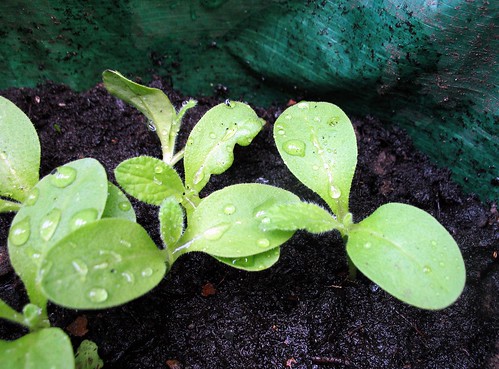
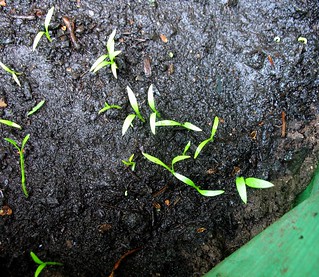
borage seedlings
lovage seedlings
My success with lemon seedlings inspired me to try germinating some other seeds I happened to have sitting in a little dish on my desk — a hint, they rhyme with merry sauna — using the same paper towel method I used for the lemon seeds. I started them just the other day and I already have one small seedling! I don't think these are particularly difficult seeds to germinate; my excitement stems from the fact that these are very distinguished seeds. And that I'd never before found so much as a single one in this particular merry sauna. To have found four of them during a spell of perfect germinating weather strikes me as an auspicious sign. I'm not planning to grow them myself, I'm much more likely to see them through the seedling stage and give them to a botanically-experienced friend, but who knows. Regulation of merry saunas is changing rapidly these days, and I remain hopeful that by the time my itsy-bitsy seedling(s) have gotten big enough for anyone to care about, it will become OK in NY State to have one's own merry sauna for personal medicinal use. In fact I would like to become an advocate of merry saunas on behalf of the emotional container gardening community. It's something I believe in.


Now the bad news. Naturally there is a bit of it; life in the Tiny Banquet Horticultural Subcommittee Lo-fi Gardening Research Center isn't all sunshine and peppermints.

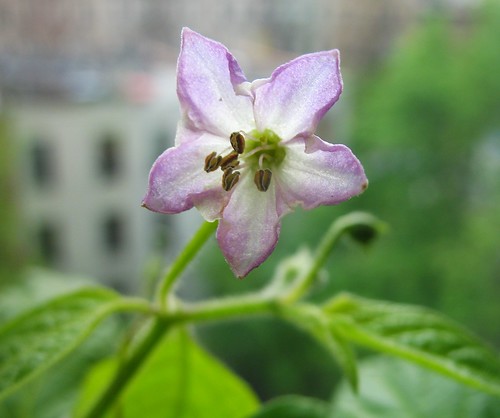
My chile pepper plants are acting like little assholes. And this time it maybe isn't me. There are flowers all over the place on both of them, but they don't set fruit. Instead the flowers simply drop off, over and over again, as coy as can be. Both plants are steadily getting bigger and they look perfectly happy, but it's all just a tease.
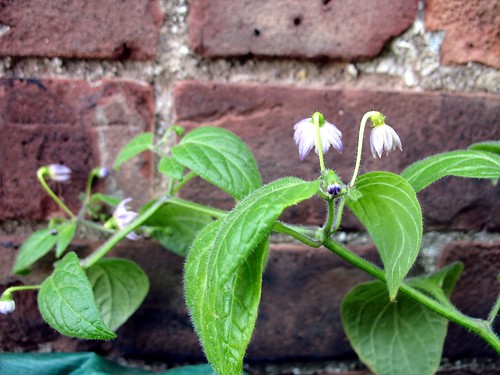

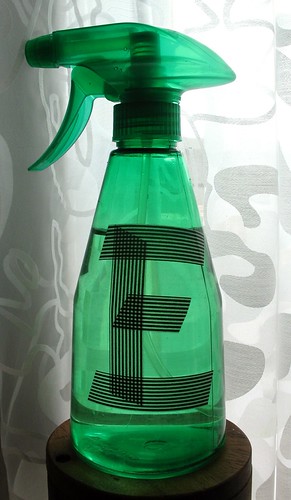
Sometimes one longs to say to a plant, "fine, go live on someone else's windowsill then," but where is the satisfaction in it if the plant is already, in its passive-aggressive little way, doing its best fuck-you-too? I might do it anyhow though. Get rid of them, I mean. It's an unusual step to actually get rid of a houseplant by choice rather than by accidental murder (for me, at least), particularly one started from seed, but my ex-boyfriend put the idea in my head the other day and now I keep visualizing myself putting the pepper plant pots outside on the sidewalk. And I feel free and good when I think this thought! He wasn't suggesting that I get rid of my pepper plants but my avocado plant instead, which he thinks is monstrously large. (It's five feet tall not including its pot, which I think is perfectly appropriate). This same ex once had a pencil cactus that grew bigger and bigger and bigger until it blocked an entire window, at which point he found a cactus weirdo on Craigslist to come take it away, so I understand his concern about my avocado. But the avocado — which I also started from seed, about three years ago — is doing exactly what it's supposed to whereas the pepper plants aren't doing squat. It seems altogether possible that months and months of inattention and animosity on my part have permanently withered their natural pepper-making impulses. Botanically-speaking I'm not sure exactly how that part works, but it seems intuitive to me that one can't throw shade on a plant for such a long time and expect a little friendly attention and a modestly more spacious new pot to just magically make everything alright. The other possibility is that all the humidity my lemon seedlings seem to be thriving on is making the peppers unhappy. I've read conflicting things about chile peppers and humidity and I have a feeling my particular peppers actually aren't all that fussy about it. But maybe I'm wrong; the consensus does seem to be they don't like it. (Exhibit A; exhibit B). I don't think I've been over- or under-watering them because the leaves look healthy. I'm going to try repotting them both again, more generously this time (they do seem to need it), and I've started spritzing their leaves with a bit of Epsom salt diluted in water, which lots of other growers say they like. (It's the magnesium). If they still don't have their shit together in another month or so they're probably going to get the heave-ho. I'd really like to get them to make some peppers but right now the reality is they're taking up a lot of space and requiring a lot of effort I'd rather give to plants I like more, and that like me more. I'm a highly emotional gardener but not a sentimental one.
Coy bullshit flowers. They look perfectly capable of setting fruit
and even give the impression they might be into it, but don't be fooled, this is
nothing more than posturing. You can tell that busted, crumbly-looking little flower
on the left there is going to drop right off. Presumably out of ennui.
nothing more than posturing. You can tell that busted, crumbly-looking little flower
on the left there is going to drop right off. Presumably out of ennui.
Sometimes one longs to say to a plant, "fine, go live on someone else's windowsill then," but where is the satisfaction in it if the plant is already, in its passive-aggressive little way, doing its best fuck-you-too? I might do it anyhow though. Get rid of them, I mean. It's an unusual step to actually get rid of a houseplant by choice rather than by accidental murder (for me, at least), particularly one started from seed, but my ex-boyfriend put the idea in my head the other day and now I keep visualizing myself putting the pepper plant pots outside on the sidewalk. And I feel free and good when I think this thought! He wasn't suggesting that I get rid of my pepper plants but my avocado plant instead, which he thinks is monstrously large. (It's five feet tall not including its pot, which I think is perfectly appropriate). This same ex once had a pencil cactus that grew bigger and bigger and bigger until it blocked an entire window, at which point he found a cactus weirdo on Craigslist to come take it away, so I understand his concern about my avocado. But the avocado — which I also started from seed, about three years ago — is doing exactly what it's supposed to whereas the pepper plants aren't doing squat. It seems altogether possible that months and months of inattention and animosity on my part have permanently withered their natural pepper-making impulses. Botanically-speaking I'm not sure exactly how that part works, but it seems intuitive to me that one can't throw shade on a plant for such a long time and expect a little friendly attention and a modestly more spacious new pot to just magically make everything alright. The other possibility is that all the humidity my lemon seedlings seem to be thriving on is making the peppers unhappy. I've read conflicting things about chile peppers and humidity and I have a feeling my particular peppers actually aren't all that fussy about it. But maybe I'm wrong; the consensus does seem to be they don't like it. (Exhibit A; exhibit B). I don't think I've been over- or under-watering them because the leaves look healthy. I'm going to try repotting them both again, more generously this time (they do seem to need it), and I've started spritzing their leaves with a bit of Epsom salt diluted in water, which lots of other growers say they like. (It's the magnesium). If they still don't have their shit together in another month or so they're probably going to get the heave-ho. I'd really like to get them to make some peppers but right now the reality is they're taking up a lot of space and requiring a lot of effort I'd rather give to plants I like more, and that like me more. I'm a highly emotional gardener but not a sentimental one.
Epsom salts have all sorts of gardening uses I didn't know about until recently.
I'm hoping they make my grouchy pepper plants ecstatic but I'm not going to hold my breath waiting on it to happen.
I'm hoping they make my grouchy pepper plants ecstatic but I'm not going to hold my breath waiting on it to happen.
The Secret Life of Plants, a 1979 documentary on the sentience of plants.
It's on Netflix too. Via Dangerous Minds, which also reports that chile peppers send each other mysterious signals. More information here. I could hardly be less surprised because mine are obviously conspiring against me, in their half-assed way.

I haven't read it yet so I can't tell you how it is that my pepper plants know
that I know that they know precisely how ambivalent I feel about them.

My smallest plant is non-edible and lives between other, bigger plants.
A hopeful note to end on: I think that fluffy little ball of needles
on the right is going to become a new appendage.